Average Reviews:

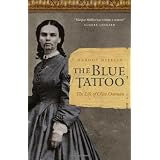
(More customer reviews)After tribe members murdered her parents and most of her siblings, the Yavapai Indians kidnapped Olive Oatman and her younger sister Mary Ann.Brutally treated as slaves by their captors, Olive and her sister were later traded to the Mohave Indians who eventually adopted them into the tribe where they were treated as family.Mary Ann died of starvation during a bleak winter, but Olive survived and was later traded by her Mohave family to whites.A brother who the Yavapai left for dead survived and later reconnected with Olive.
Interviews during her first days back into white society show that Olive grieved her Mohave family and spoke of them as being kind and caring.Later, under the influence of a minister who hated Indians, Olive lectured throughout the East about her terrible treatment from both tribes.Olive received an excellent education and was a spell-binding speaker.She later married and her husband made every effort to erase her captive past.
The book is well-written and thoroughly researched, but I had difficulty with the author laying the entire blame for Olive's shifting position toward her Indian life entirely on the preacher.Olive was clearly an intelligent and independent woman who could have taken a more even-handed approach in her lectures about her treatment.Certainly some white women who were former captives and then integrated back into white society were able to speak more fairly about their captivity.I was left with many questions about why Olive was both able to seek out, in her later life, a meeting with one of the members of the Mohave tribe in Washington, D. C., as a seemingly fond gesture and yet also took part through her lectures in promoting the annihilation of the Indians.
Click Here to see more reviews about: The Blue Tattoo: The Life of Olive Oatman (Women in the West)

Want to read more honest consumer review about The Blue Tattoo: The Life of Olive Oatman (Women in the West) now ?

0 comments:
Post a Comment